Shaping Insight Health Care Pvt Ltd.

When Should My Child Take the CARS Assessment?

The Road to Understanding: Is It Time for a CARS Assessment? As a parent, you’re wired to notice things no one else does. You cheer for the first smile, the first step, the first word. But sometimes you also spot something that feels… different. Maybe your child avoids eye contact. Maybe they’re not talking as … Read more

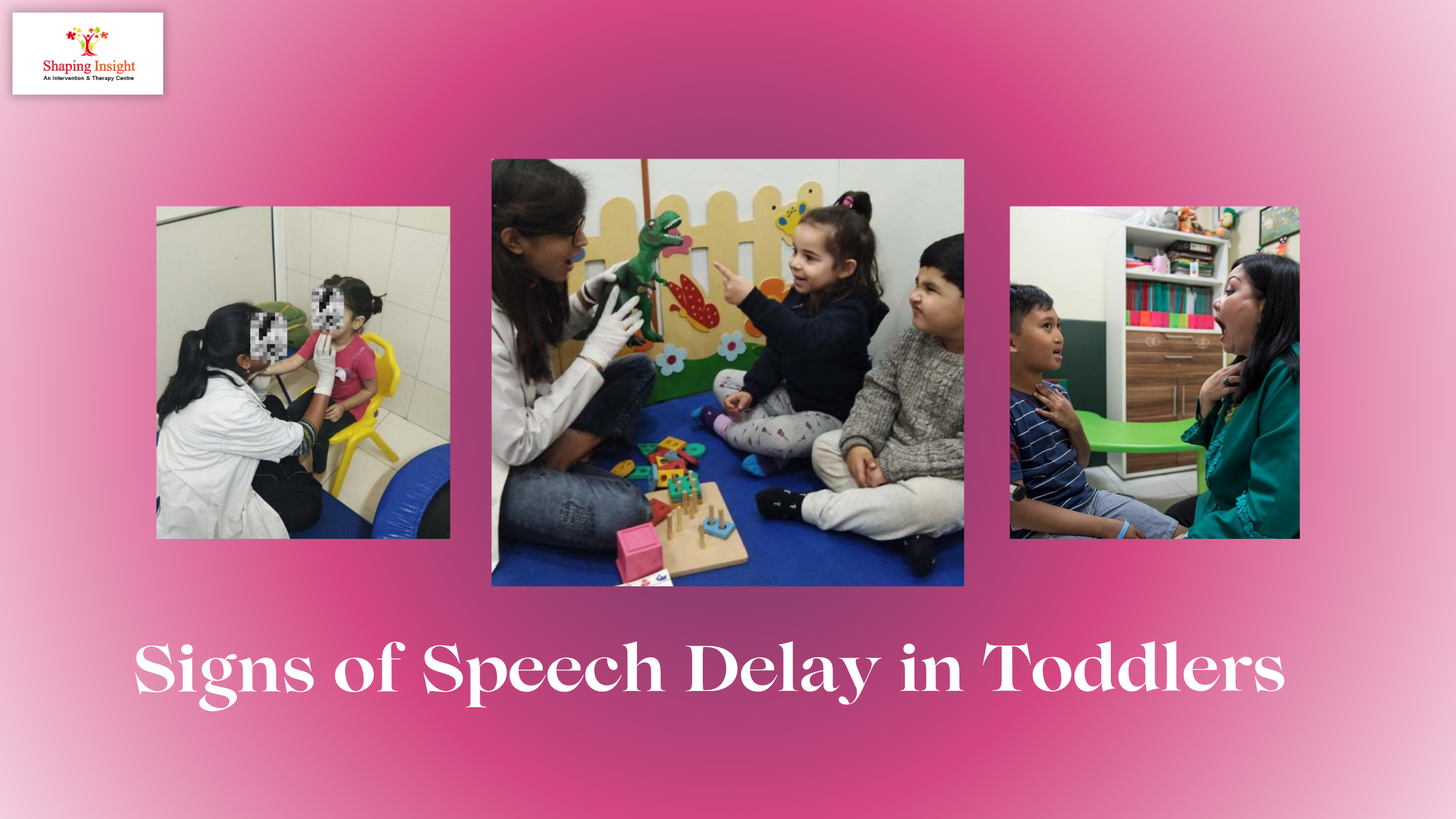
Signs of Speech Delay in Toddlers

Introduction: Understanding the Worry behind the Words Watching your toddler grow and start speaking is one of the most anticipated joys of parenting. From babbling to that precious first “mama” or “dada,” every word feels like a milestone. But what if your child seems to be speaking less than other children their age? What if … Read more

How Personalized Therapy Plans Improve Outcomes — Now in Mulund

Every child’s developmental path is distinct. What works for one child may not work for another and that’s where personalized therapy plays a critical role. At Shaping Insight, Mulund, we recognize that real progress begins with truly understanding your child’s unique strengths, challenges, and learning style. Our tailored therapy programs are designed to support your … Read more

The Benefits of Play-Based Therapy: Why We Learn Best Through Fun!

Introduction Play is far more than just fun for children it’s their most natural and powerful tool for learning. Play-based therapy uses purposeful, structured play to help children develop critical skills across emotional, social, physical, and cognitive domains. At Shaping Insight, Mulund, we understand that when therapy feels like play, children become more engaged, confident, … Read more

What to Expect in Your Child’s First Therapy Session

Taking the First Step Towards Support Deciding to begin therapy for your child is a powerful, caring decision. It’s natural to feel uncertain or even anxious, but this step is often the start of meaningful growth. As a parent, you want to do everything possible to support your child’s developmental and emotional well-being. Understanding what … Read more

Empowering Children to Write with Confidence

Introduction: Does homework time often turn into a battle because of your child’s struggles with writing? Do you notice their letters are hard to read, or they frequently complain of hand pain and fatigue? You’re not alone. For many parents, messy or slow writing can be a real concern, not just for academics, but for … Read more

Speech Delay in Children: Why Experience Matters in Choosing a Therapist

As parents, we eagerly anticipate the day our child says their first word. These moments are more than milestones—they’re signs that our little one is learning to connect with the world. When those first words are delayed, concern naturally follows. Parents often wonder: “Is this normal?” “Should I wait?” “Who can help?” The truth is, … Read more

Worried Your Child May Have Autism? Signs, Support & What to Do Next

As a parent, you’re deeply tuned into your child’s development. When your child avoids eye contact, doesn’t respond to their name, or struggles with changes in routine, it’s natural to feel concerned. These moments can raise questions about Autism, and acknowledging them early is a positive, empowering step. Every child grows at their own pace, … Read more

Stronger Communication Starts Here: Our Speech Therapy

Imagine the frustration of wanting to speak your mind but not being able to find the words. For many children, this is their everyday reality. Communication is the foundation of connection, learning, and growth. When a child struggles to express themselves, it affects their confidence, social interaction, and emotional development. Early support through speech therapy … Read more

A Parent’s Guide to Occupational Therapy for Children

As a parent, you want the best for your child. But what exactly is Occupational Therapy, and how can it help? This question often arises when parents notice their child struggling with everyday tasks—whether it’s difficulty holding a pencil, frequent meltdowns due to sensory overload, or challenges interacting with peers. It’s natural to feel uncertain. … Read more